



Running an ecommerce business today is more competitive than ever. Thousands of online stores compete for attention, making visibility on search engines essential for success. This is where a strong ecommerce SEO strategy becomes the foundation of sustainable growth. Unlike paid ads that stop delivering once budgets run out, SEO builds long-term traffic, brand authority, and consistent sales.
A well-planned SEO strategy helps your products appear when customers actively search for solutions, increasing both traffic and conversions. In this guide, you’ll learn how to build a powerful ecommerce SEO framework from keyword research and technical optimization to content and conversion strategies that drive real results.
Key Takeaways
- Ecommerce SEO focuses on optimizing product and category pages for search visibility
- Keyword research drives targeted traffic with buying intent
- Technical SEO improves site performance and indexing
- Content marketing boosts authority and rankings
- User experience directly impacts conversions and SEO success
- Long-term SEO delivers sustainable revenue growth
What Is an Ecommerce SEO Strategy?
An ecommerce SEO strategy is a structured plan to optimize an online store so it ranks higher on search engines like Google. It involves improving website structure, product pages, technical performance, and content to attract organic traffic.
Unlike traditional SEO, ecommerce optimization must handle:
- Hundreds or thousands of product pages
- Dynamic URLs and filters
- Duplicate content challenges
- Conversion-focused optimization
The goal is simple: bring qualified shoppers to your store without relying entirely on paid advertising.
Why Ecommerce SEO Strategy Matters for Online Stores
Search engines are one of the largest traffic sources for ecommerce businesses. Customers searching for products already have purchase intent, making SEO traffic highly valuable.
Key Benefits
- Long-term organic traffic growth
- Reduced advertising costs
- Higher brand credibility
- Better user experience
- Increased conversion rates
Businesses that invest in ecommerce SEO often see compounding growth over time.
Step-by-Step Ecommerce SEO Strategy
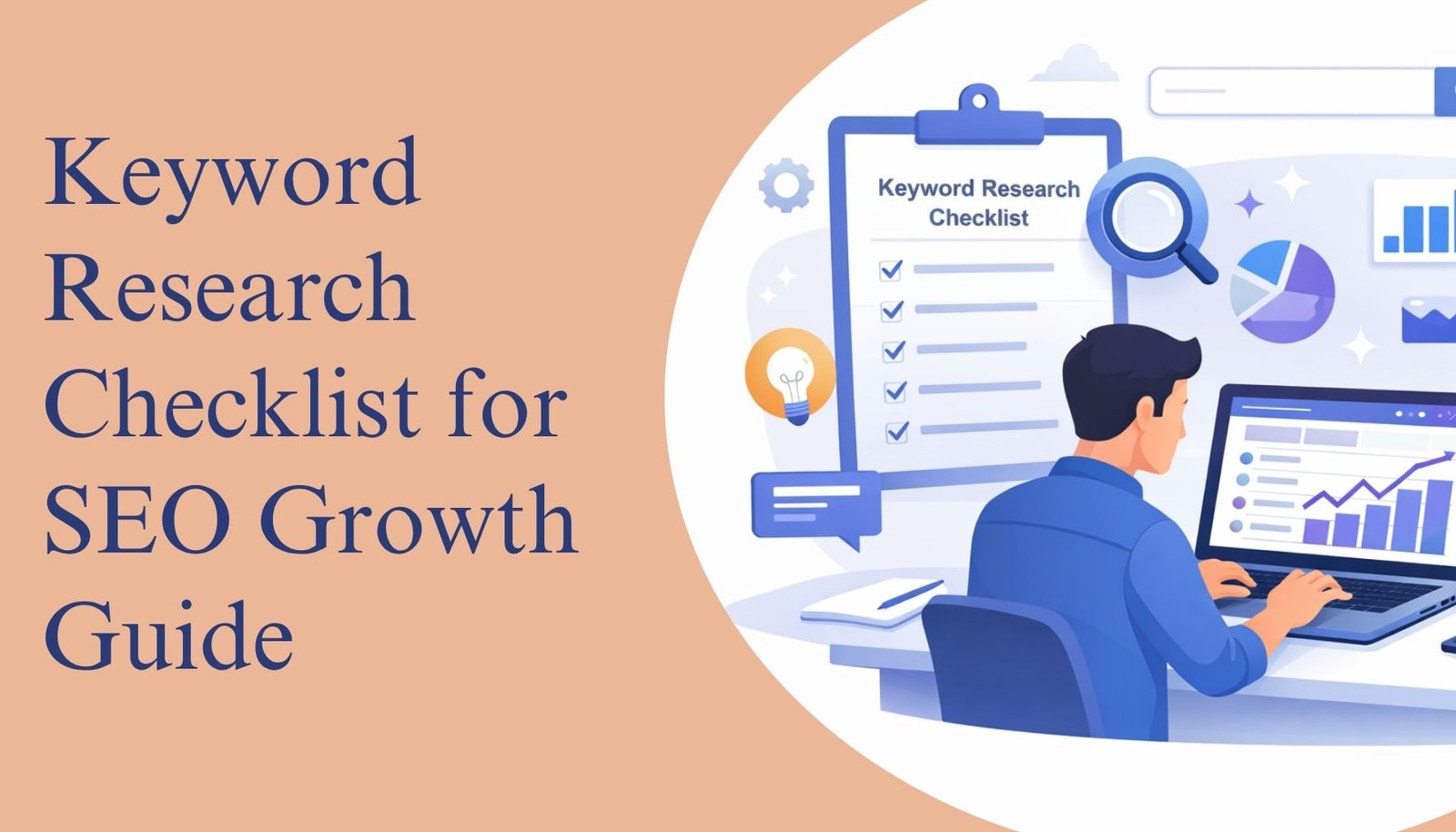
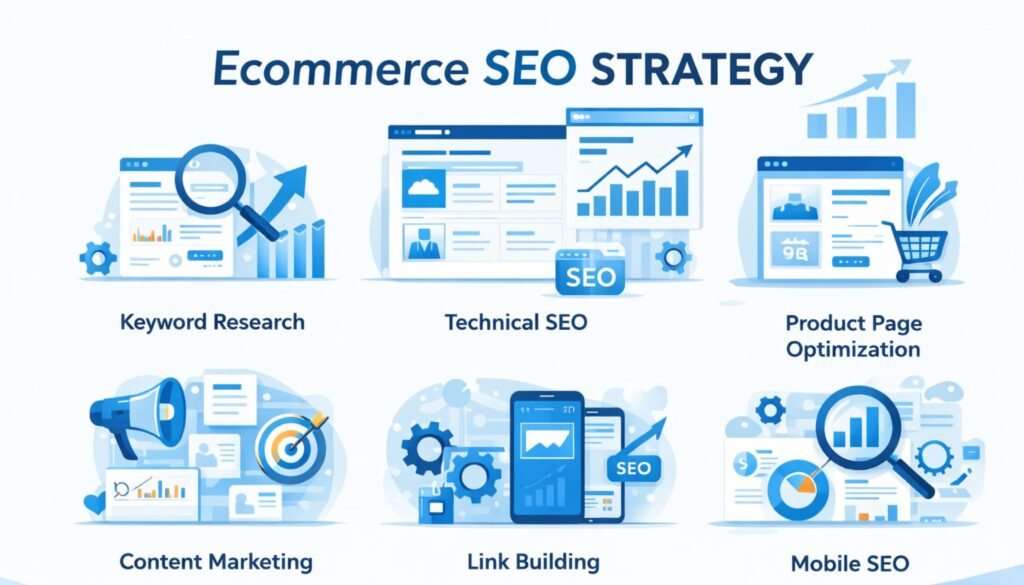
1. Keyword Research for Ecommerce Success
Keyword research is the foundation of any successful ecommerce SEO strategy.
Focus on keywords with transactional intent such as:
- buy + product name
- best + product category
- affordable or premium product searches
Types of Keywords to Target
- Product keywords – specific items customers search
- Category keywords – broader searches
- Long-tail keywords – high conversion potential
- Informational keywords – blog content opportunities
Actionable Tips
- Analyze competitor keywords
- Target low-competition opportunities first
- Use search intent to guide content creation
2. Optimize Product Pages for SEO
Product pages are revenue drivers, so they must be fully optimized.
Essential Product Page Elements
- Unique product titles with keywords
- Detailed product descriptions
- Optimized images with alt text
- Customer reviews
- Structured data markup
Best Practices
- Avoid duplicate manufacturer descriptions
- Add FAQs within product pages
- Include internal links to related products
A well-optimized page strengthens your overall ecommerce SEO performance.
3. Category Page Optimization
Category pages often rank better than individual product pages because they target broader keywords.
Optimization Checklist
- Keyword-focused category descriptions
- SEO-friendly URLs
- Filtered navigation optimization
- Internal linking structure
Category pages should act as content hubs that guide both users and search engines.
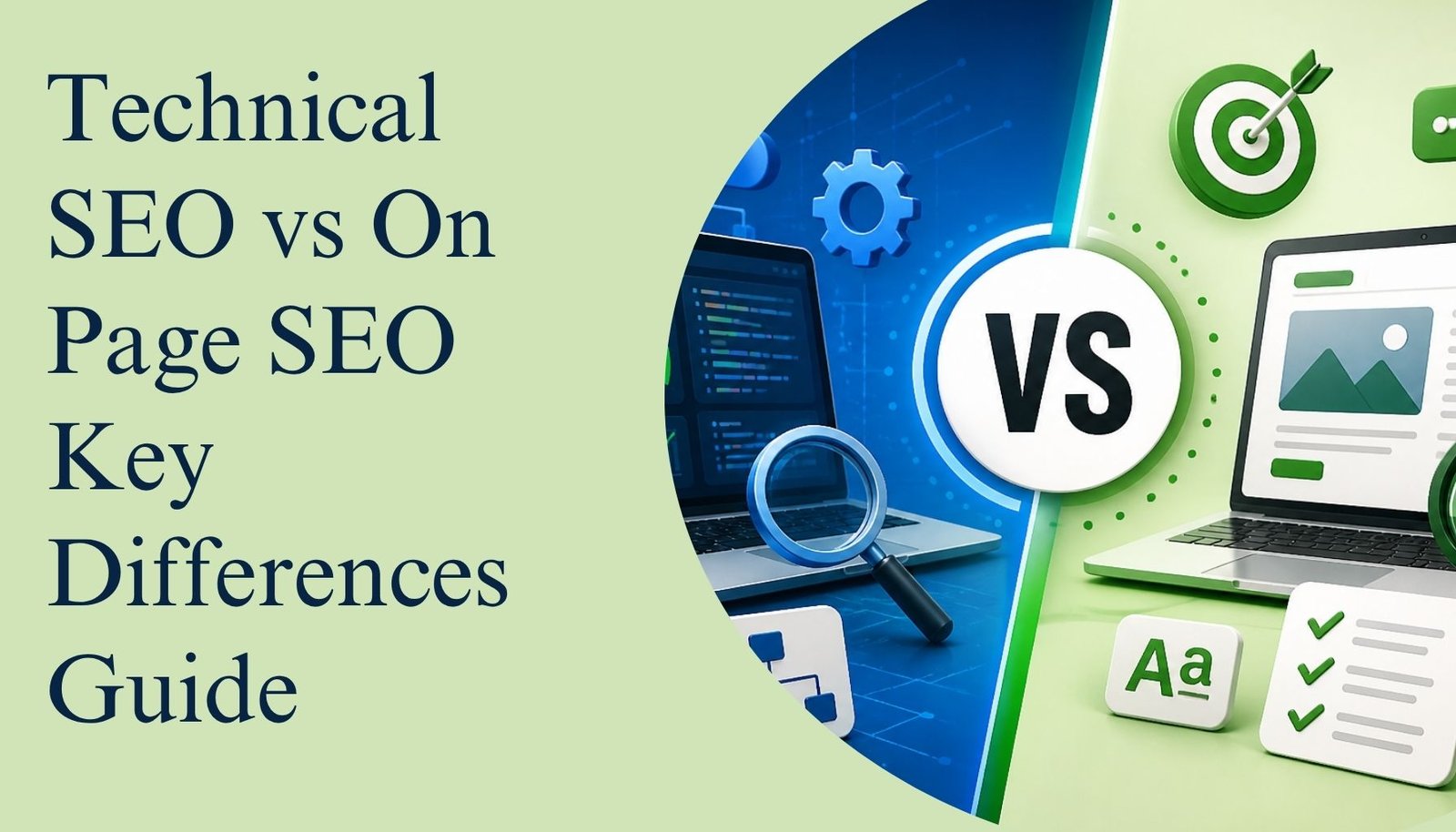
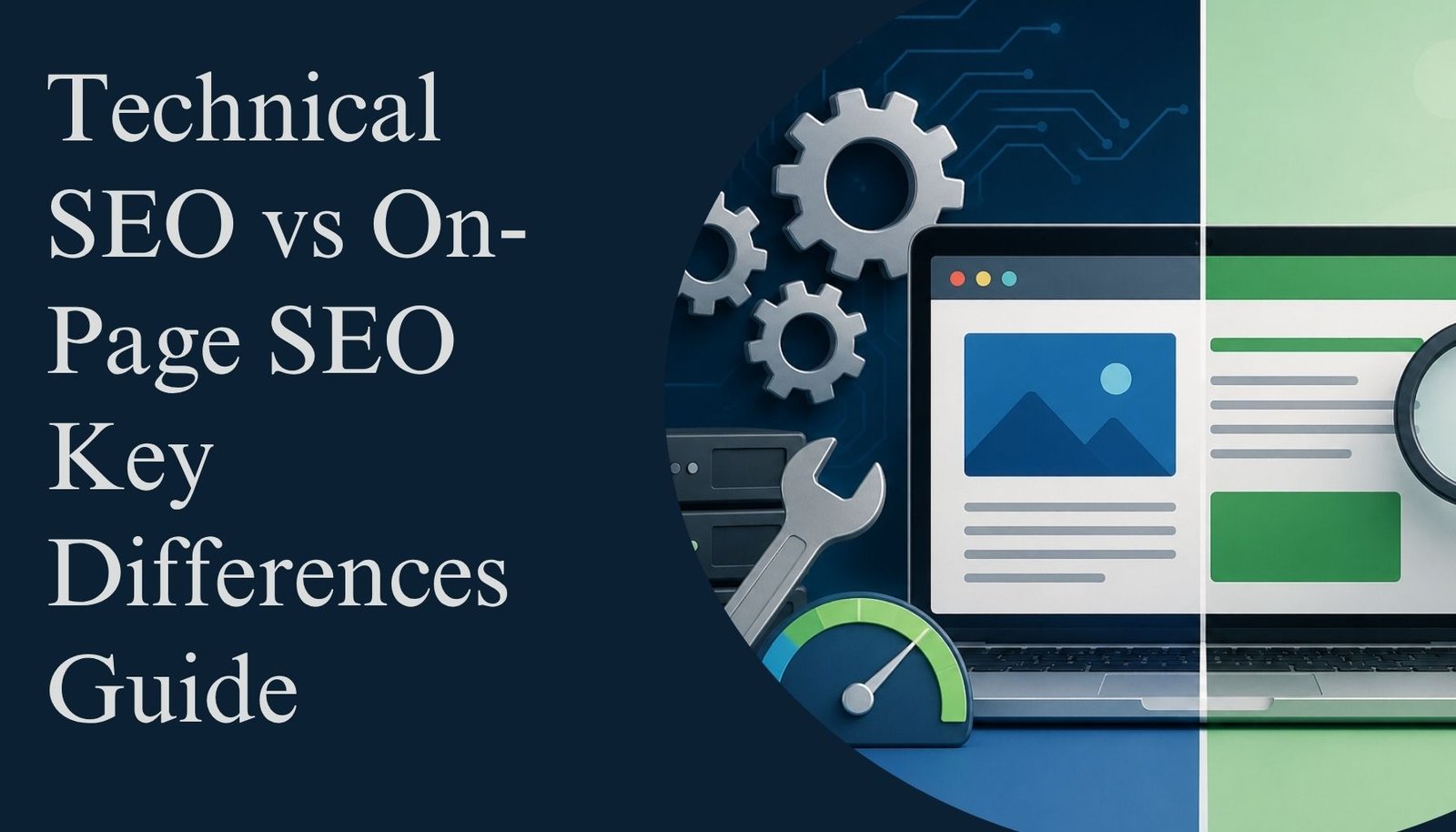
4. Technical SEO for Ecommerce SEO Strategy Websites
Technical SEO ensures search engines can crawl and index your store efficiently.
Key Technical Factors
- Fast page loading speed
- Mobile-friendly design
- Secure HTTPS website
- Clean URL structure
- XML sitemap optimization
Common Ecommerce Issues
- Duplicate pages from filters
- Broken links
- Thin content pages
Fixing these technical problems strengthens your ecommerce SEO strategy significantly.
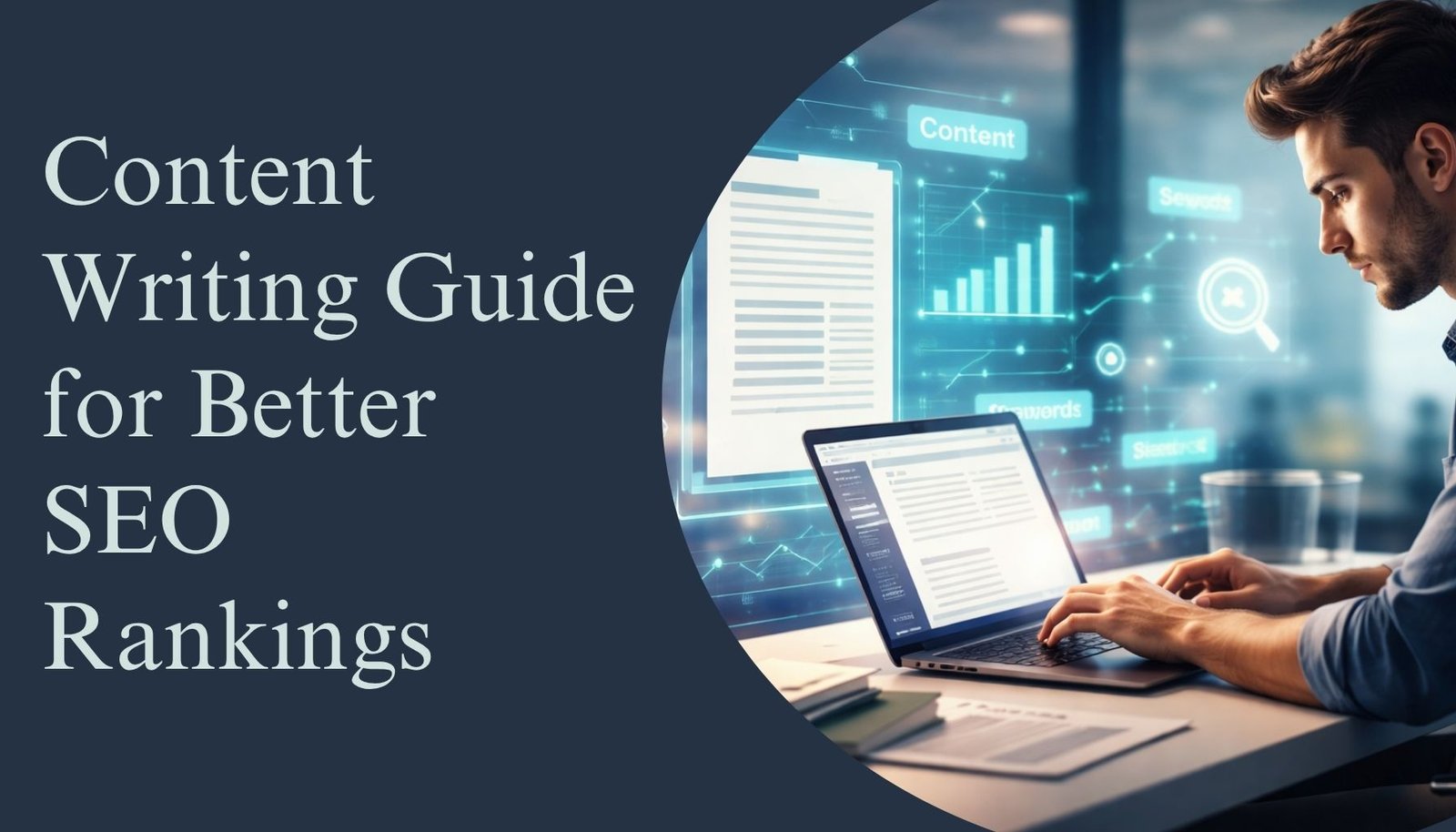
5. Content Marketing for Ecommerce SEO Strategy
Content plays a powerful role in attracting top-of-funnel traffic.
Content Ideas for Ecommerce Stores
- Buying guides
- Product comparisons
- How-to articles
- Industry trends
- Customer education blogs
Blog content helps rank for informational keywords while guiding users toward purchases.
6. Internal Linking for Ecommerce SEO Strategy
Internal links help distribute authority across your website.
Smart Internal Linking Tips
- Link blogs to product pages
- Connect related categories
- Use keyword-rich anchor text naturally
- Highlight best-selling products
A strong linking structure improves rankings and user navigation.
7. User Experience & Conversion Optimization
Google increasingly values user experience signals.
Improve UX with:
- Simple navigation menus
- Fast checkout process
- Mobile optimization
- Clear call-to-action buttons
Better experience leads to longer session time and improved SEO performance.
8. Link Building for Ecommerce SEO Strategy Authority
Backlinks remain one of the strongest ranking factors.
Effective Link Building Methods
- Guest blogging
- Influencer collaborations
- Product reviews
- Digital PR campaigns
Quality backlinks enhance domain authority and strengthen your ecommerce SEO strategy.
Common Ecommerce SEO Strategy Mistakes to Avoid
- Using duplicate product descriptions
- Ignoring technical SEO issues
- Poor site structure
- Not optimizing images
- Overusing keywords unnaturally
Avoiding these mistakes can dramatically improve ranking potential.
Measuring Ecommerce SEO Strategy Success
Track performance using key metrics:
- Organic traffic growth
- Keyword rankings
- Conversion rate
- Bounce rate
- Revenue from organic search
SEO success should always connect directly to business outcomes, not just traffic numbers.
Future Trends in Ecommerce SEO Strategy
Search algorithms continue evolving. Businesses should prepare for:
- AI-driven search results
- Voice search optimization
- Visual search technology
- Personalized shopping experiences
Adapting early ensures long-term competitive advantage.
Optimize Ecommerce Images for Better SEO
Images are a crucial element of any ecommerce store, but many businesses overlook their SEO potential. Properly optimized images can improve search rankings, increase page speed, and even generate traffic from image search results.
To strengthen your ecommerce SEO strategy, every product image should include descriptive file names and keyword-rich alt text. Instead of uploading files like IMG1234.jpg, rename them to something meaningful such as black-running-shoes.jpg. This helps search engines understand what the image represents.
Additionally, compress images to reduce loading time without compromising quality. Faster pages not only improve user experience but also play a role in search engine rankings. Ecommerce websites that prioritize image optimization often experience better engagement and improved SEO performance.
Leverage Customer Reviews for SEO Growth
Customer reviews are not just for building trust they also contribute to your ecommerce SEO success. Search engines favor websites that continuously generate fresh and relevant content, and reviews provide exactly that.
Encourage customers to leave detailed reviews about their purchase experience, product quality, and usage. This user-generated content naturally includes keywords and related terms that help improve search visibility.
Reviews also increase click-through rates because shoppers trust products with positive feedback. Integrating review schema markup can further enhance search results by displaying star ratings directly in search listings, making your products more attractive to potential buyers.
Mobile Optimization Is Essential for Ecommerce SEO
With the majority of online shopping happening on mobile devices, mobile optimization is a critical part of any ecommerce SEO strategy. Search engines prioritize mobile-friendly websites because they provide a better user experience.
Ensure your ecommerce store uses responsive design so pages adapt smoothly to different screen sizes. Navigation should be simple, product images should load quickly, and checkout should be easy to complete on a smartphone.
A slow or poorly optimized mobile experience can lead to higher bounce rates and lost sales. Investing in mobile SEO improvements helps both rankings and conversions, making it a key component of long-term ecommerce success.
Use Data and Analytics to Improve SEO Performance
Successful ecommerce SEO is driven by data. Regularly analyzing website performance helps identify opportunities to refine your strategy and increase results.
Track metrics such as organic traffic, top-performing keywords, conversion rates, and user behavior. These insights reveal which pages generate sales and which areas need improvement.
Tools like analytics platforms and search performance reports allow ecommerce businesses to continuously optimize product pages, content, and keyword strategies. By monitoring performance and adjusting tactics, businesses can maintain strong search visibility and stay ahead of competitors.
FAQs
How long does ecommerce SEO take to show results?
Most ecommerce websites start seeing measurable improvements within 3–6 months, depending on competition and optimization level.
Is ecommerce SEO better than paid ads?
SEO provides long-term results, while paid ads deliver instant traffic. The best strategy combines both.
How many keywords should product pages target?
Focus on one primary keyword and several related variations naturally within content.
Do small ecommerce businesses need SEO?
Yes. SEO helps smaller brands compete with larger marketplaces by targeting niche keywords.
Conclusion
A well-executed ecommerce SEO strategy is not just about rankings it’s about creating a scalable system that attracts customers, builds trust, and drives consistent revenue. From keyword research and technical optimization to content marketing and user experience, every element works together to grow your online store organically.
If you want faster growth, higher visibility, and better conversions, partnering with experienced digital marketing professionals can make a significant difference.
Ready to grow your ecommerce business? Invest in expert digital marketing services and turn organic traffic into long-term sales success. At Wisdom Digital Marketing, we specialize in helping ecommerce brands succeed online through data-driven SEO strategies, performance marketing, and conversion-focused optimization.